Trucks For Sale Under $16,000: Your Comprehensive Guide to Affordable Hauling sale.truckstrend.com
In today’s automotive market, the allure of a pickup truck is stronger than ever. From robust towing capabilities for weekend adventures to the practical utility for work or home projects, trucks offer a versatility that sedans and SUVs simply can’t match. However, the price tag on a brand-new truck can be a significant barrier for many, often soaring well past the $40,000 mark. This is where the world of "Trucks For Sale Under $16,000" becomes incredibly relevant. It opens up a vast landscape of possibilities for individuals, small businesses, and families looking for dependable utility without breaking the bank.
This guide is designed to be your comprehensive resource for navigating the exciting, yet sometimes challenging, journey of finding the perfect used truck within this budget. We’ll explore what types of trucks are available, critical considerations before you buy, practical tips for inspection and negotiation, and how to ensure your affordable investment lasts for years to come. Getting a truck for under $16,000 isn’t just about saving money; it’s about smart decision-making that leads to a reliable vehicle capable of meeting your needs.
Trucks For Sale Under $16,000: Your Comprehensive Guide to Affordable Hauling
Why Buy a Truck Under $16,000? Unlocking Value and Utility
Opting for a used truck under $16,000 is a financially savvy decision that offers a multitude of benefits, making it an attractive proposition for a diverse range of buyers.
1. Exceptional Cost-Effectiveness: The most apparent advantage is the significant savings compared to purchasing a new truck. New vehicles depreciate rapidly, losing a substantial portion of their value in the first few years. By buying used, you let the previous owner absorb this initial depreciation, allowing your budget to stretch further into more feature-rich or capable models than you could afford new. This also translates to lower insurance premiums and potentially lower registration fees.
2. Practical Utility for Every Need: Whether you’re a DIY enthusiast needing to haul lumber, a landscaper transporting equipment, a weekend warrior towing a boat or ATV, or simply someone who appreciates the commanding view and cargo capacity for daily errands, a truck delivers unparalleled utility. For under $16,000, you can find trucks capable of impressive towing and payload, ready to tackle a variety of tasks without compromise.
3. Accessibility for a Wider Audience: This price point makes truck ownership accessible to a broader demographic, including first-time truck buyers, those on a tighter budget, or individuals looking for a reliable secondary vehicle. It democratizes the utility and versatility that trucks offer, allowing more people to experience the benefits without a prohibitive financial commitment.
4. Reduced Financial Risk: The lower purchase price means less money tied up in a depreciating asset. Should your needs change or if you decide to upgrade in a few years, your financial exposure is significantly reduced, making the resale process less stressful.
In essence, buying a truck under $16,000 isn’t a compromise on capability but rather a strategic choice that prioritizes financial prudence while still delivering the robust performance and utility synonymous with truck ownership.

What Kinds of Trucks Can You Find in This Price Range?
The $16,000 budget opens up a surprisingly diverse selection of used trucks. While you won’t be finding brand-new models, you can certainly uncover reliable workhorses and even some well-equipped daily drivers. The key is understanding what to expect in terms of age, mileage, and condition.
Common Makes and Models:
You’ll primarily be looking at trucks that are typically 8-15 years old, though some older, well-maintained gems or newer, higher-mileage examples might surface. Popular models that frequently appear in this price bracket include:
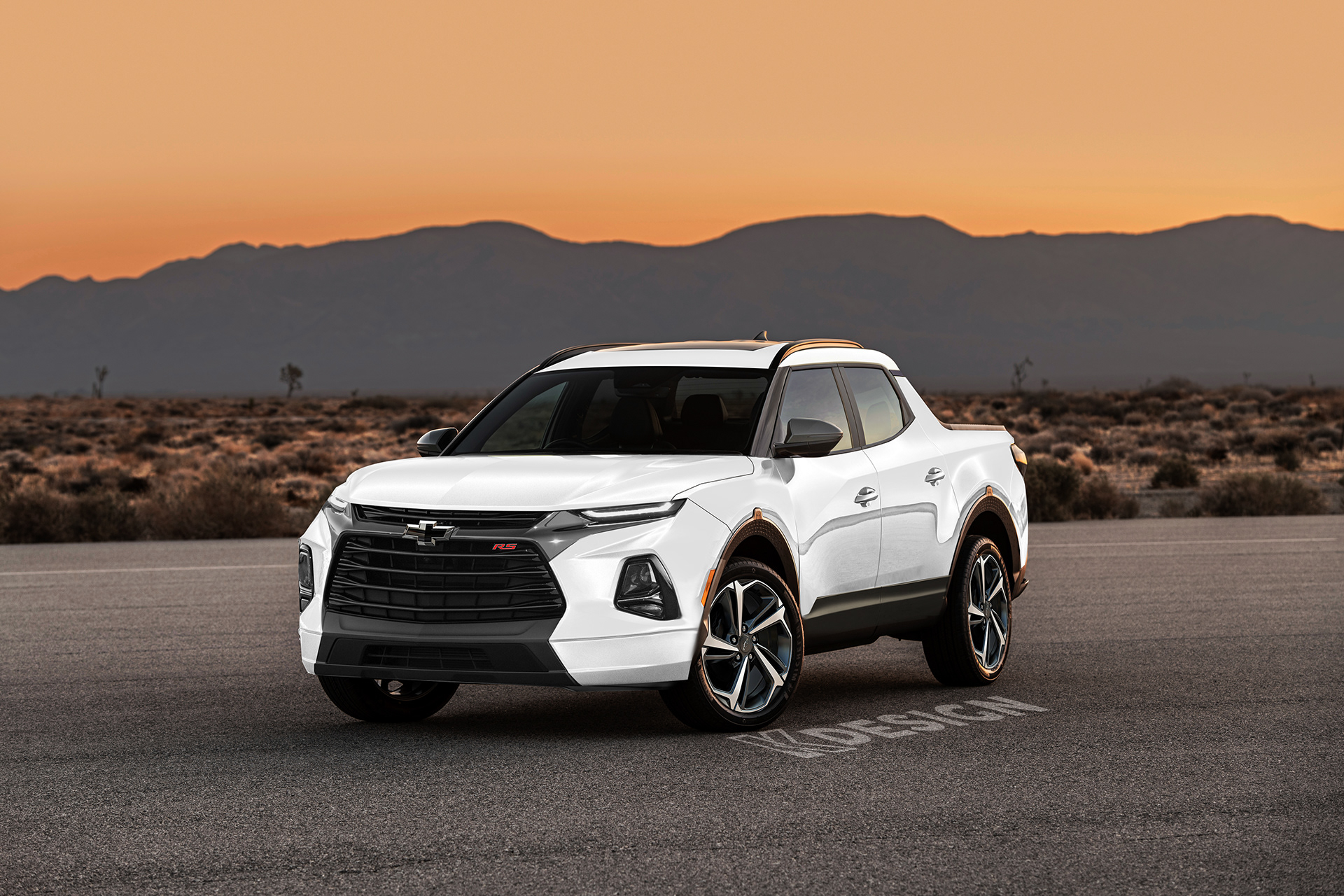
- Full-Size Half-Ton Pickups: These are the most common and versatile options.
- Ford F-150: Often the best-selling vehicle for decades, meaning plenty of used options. Known for durability and wide range of configurations.
- Chevrolet Silverado 1500 / GMC Sierra 1500: Robust V8 engines, comfortable interiors, and strong towing capabilities.
- Ram 1500 (formerly Dodge Ram): Often praised for ride comfort (especially with coil-spring rear suspension) and available HEMI power.
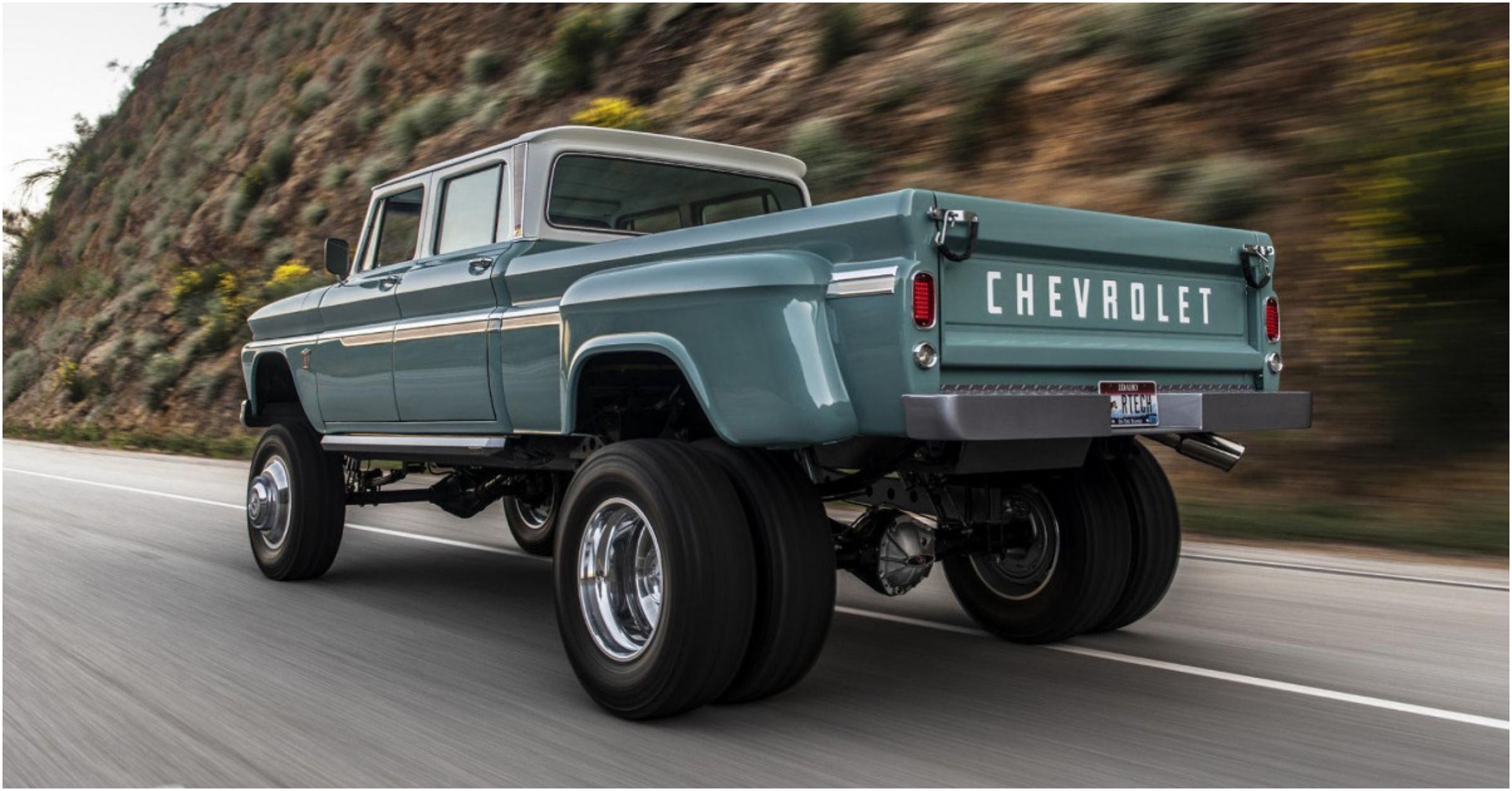
- Mid-Size / Compact Pickups: Ideal for those who don’t need full-size capabilities but still want a bed. More maneuverable and often better on fuel.
- Toyota Tacoma: Legendary for its reliability and strong resale value, though this means finding one under $16k often entails higher mileage or older models.
- Nissan Frontier: A solid, no-frills option that can be found at more attractive prices than the Tacoma.
- Chevrolet Colorado / GMC Canyon: Mid-size offerings from GM, providing a good balance of capability and size.
Key Factors Influencing Price within the Range:
- Age and Mileage: Generally, the older the truck and the higher the mileage, the lower the price. Don’t shy away from higher mileage if maintenance records are impeccable.
- Condition: Exterior dents, interior wear, and mechanical issues will significantly impact the price.
- Trim Level and Features: Base models will be cheaper than higher trims with premium features like leather seats, advanced infotainment, or sunroofs.
- Cab Configuration: Regular cabs (2-door) are typically the cheapest, followed by extended cabs (2-door with small rear seats), and then crew cabs (4-door, full rear seats) which command the highest prices due to their practicality for families.
- Drivetrain (2WD vs. 4WD): 4-wheel drive (4WD) models are generally more expensive due to their added capability for off-road or inclement weather conditions. If you don’t need 4WD, opting for a 2WD can save you a few thousand dollars.
- Engine Type: While most trucks in this range will be gasoline V6 or V8, finding a diesel under $16,000 is extremely rare and usually means very high mileage or significant issues.
By focusing your search on these common models and understanding the factors that affect their pricing, you can set realistic expectations and hone in on the best value for your budget.
The Pre-Purchase Checklist: Navigating the Used Truck Market
Finding a great truck for under $16,000 requires diligence and a methodical approach. Follow this pre-purchase checklist to maximize your chances of a successful buy.
1. Set Your Priorities and Define Your Needs:
Before you even start browsing, determine what you truly need the truck for.
- Purpose: Work, recreation, daily driver, towing, off-roading?
- Towing/Hauling Capacity: What’s the maximum weight you’ll need to move? This dictates the engine size and transmission you’ll need.
- Cab Size: Do you need seating for passengers, or is a regular cab sufficient?
- Drivetrain: Is 4WD essential for your climate or activities, or will 2WD suffice?
- Fuel Economy: While trucks aren’t known for stellar MPG, some configurations are better than others.
- Reliability: Certain brands and models have stronger reputations for longevity.
2. Research is Key: Where to Look:
- Online Marketplaces: Autotrader, Cars.com, CarGurus, Craigslist, Facebook Marketplace are excellent starting points. Use filters for price, mileage, make, and model.
- Dealerships: Both new car dealerships with used inventories and dedicated used car lots. They often offer financing and sometimes limited warranties, but prices might be slightly higher.
- Private Sellers: Often offer lower prices as they don’t have dealership overheads, but the process requires more due diligence from the buyer.
- Local Classifieds/Word of Mouth: Don’t underestimate local opportunities.
3. Budgeting Beyond the Sticker Price:
Remember that the purchase price is just one part of truck ownership. Factor in:
- Sales Tax, Registration, and Title Fees: Varies by state.
- Insurance: Get quotes before buying, as truck insurance can be more expensive.
- Maintenance: Plan for routine oil changes, tire rotations, and potential repairs common for older vehicles (e.g., brakes, suspension components).
- Fuel Costs: Trucks generally consume more fuel than cars.
4. Obtain a Vehicle History Report (VHR):
This is non-negotiable. Services like CarFax and AutoCheck provide invaluable insights. Look for:
- Accident History: Minor cosmetic damage might be acceptable, but major frame damage is a red flag.
- Title Issues: Salvage, flood, or rebuilt titles indicate significant past damage and should generally be avoided unless you’re an expert mechanic.
- Service Records: Regular maintenance is a strong indicator of a well-cared-for vehicle.
- Ownership History: Fewer owners can sometimes be better, but consistent service is more important.
5. Conduct a Thorough Physical Inspection:
- Exterior: Check for rust (especially on the frame, wheel wells, and bed), mismatched paint (sign of previous repairs), dents, scratches, and condition of tires (tread depth, uneven wear).
- Interior: Look for excessive wear on seats, dashboard cracks, non-functioning electronics (radio, windows, AC/heater), and strange odors (mold, smoke).
- Under the Hood: Check fluid levels (oil, coolant, transmission fluid – look for proper color and consistency), belts (cracks), hoses (leaks, bulges), and battery terminals (corrosion). Listen for unusual noises when the engine is running.
- Under the Truck: Look for leaks (oil, coolant, transmission fluid, differential fluid), rust on the frame, exhaust system condition, and suspension components.
6. The Test Drive:
This is your opportunity to feel how the truck performs.
- Cold Start: Start the engine cold to hear any unusual noises.
- Acceleration and Braking: Test acceleration from a stop and at highway speeds. Check for smooth braking without pulling or pulsing.
- Steering and Suspension: Drive over bumps to test the suspension. Listen for clunks or squeaks. Check for play in the steering wheel.
- Transmission: Ensure smooth shifts, both up and down. No jerking, slipping, or delayed engagement.
- All Electronics: Test headlights, turn signals, wipers, power windows, locks, radio, and HVAC system (AC blows cold, heat blows hot).
- 4WD (if applicable): Engage 4WD high and low to ensure it works properly.
7. Pre-Purchase Inspection (PPI) by an Independent Mechanic:
This is perhaps the most crucial step. Even if you’re mechanically inclined, a professional mechanic will spot issues you might miss. They can put the truck on a lift, check for structural integrity, deep-dive into the engine and transmission, and identify potential costly repairs. This small investment can save you thousands down the line.
Common Challenges and Solutions When Buying Used Trucks
Navigating the used truck market, especially at a sub-$16,000 price point, comes with its own set of challenges. Knowing how to address them can turn a potential headache into a successful purchase.
1. High Mileage:
- Challenge: Many trucks under $16,000 will have mileage well over 100,000 miles, sometimes even over 200,000. This can deter buyers worried about imminent breakdowns.
- Solution: High mileage isn’t always a deal-breaker. A truck with 150,000 well-maintained highway miles is often a better buy than one with 80,000 hard-driven, poorly maintained city miles. Crucially, demand service records. Look for evidence of regular oil changes, transmission fluid flushes, timing belt replacements (if applicable), and other routine maintenance. A comprehensive PPI will also reveal the true mechanical health regardless of odometer readings.
2. Rust and Corrosion:
- Challenge: Trucks in regions with harsh winters (salt on roads) or coastal areas are highly susceptible to rust, particularly on the frame, brake lines, fuel lines, and suspension components.
- Solution: Thoroughly inspect the underside of the truck. Bring a flashlight and look for flaky, deep rust, especially on structural components. Surface rust is common and less concerning, but extensive rot is a major red flag as it compromises safety and can lead to expensive repairs. Pay close attention to brake lines and fuel lines – if they are heavily rusted, walk away.
3. Hidden Mechanical Issues:
- Challenge: Sellers may not be aware of, or may deliberately conceal, mechanical problems that aren’t immediately obvious.
- Solution: This is precisely why the Pre-Purchase Inspection (PPI) is paramount. An independent mechanic will use specialized tools and knowledge to diagnose potential issues like transmission slippage, engine knocking, failing universal joints, or worn suspension bushings that a visual inspection or test drive might miss. Factor the cost of a PPI (typically $100-$200) into your budget; it’s money well spent.
4. Negotiation:
- Challenge: Getting the best price without offending the seller or overpaying.
- Solution:
- Do your homework: Research comparable trucks in your area to know the market value.
- Identify leverage: Use any identified flaws (e.g., worn tires, minor cosmetic damage, service recommendations from the PPI) as points for negotiation.
- Be polite but firm: Present your offer confidently and be prepared to walk away if the price isn’t right.
- Consider "out-the-door" price: When dealing with dealerships, ask for the total "out-the-door" price to include all fees, taxes, and add-ons.
5. Financing Options:
- Challenge: Securing financing for older, higher-mileage vehicles can sometimes be more difficult or come with higher interest rates than for newer cars.
- Solution:
- Credit Unions: Often offer better rates on used car loans than traditional banks.
- Personal Loan: If you have excellent credit, a personal loan might offer a competitive rate.
- Dealer Financing: Can be convenient, but compare their rates with pre-approved loans from your bank or credit union.
- Save Up: The best solution, if possible, is to save and pay cash, eliminating interest payments entirely.
By being aware of these potential hurdles and equipping yourself with the right solutions, you can approach the used truck market with confidence and secure a reliable vehicle that meets your needs and budget.
Maximizing Your Investment: Tips for Longevity
Once you’ve purchased your truck for under $16,000, the journey doesn’t end there. Proper care and proactive maintenance are essential to ensure your affordable investment continues to serve you reliably for many years to come.
-
Adhere to the Maintenance Schedule:
- Owner’s Manual is Gold: Follow the manufacturer’s recommended service intervals for oil changes, fluid checks (transmission, differential, brake fluid, power steering), spark plug replacement, and filter changes (air, fuel, cabin).
- Proactive vs. Reactive: Don’t wait for a problem to arise. Regular maintenance prevents small issues from becoming costly major repairs.
-
Address Issues Promptly:
- Warning Lights: Never ignore a check engine light, oil pressure warning, or any other dashboard indicator. Get it diagnosed by a trusted mechanic immediately.
- Unusual Sounds/Smells: Any new squeaks, rattles, grinding noises, or strange smells (burning oil, sweet coolant smell) should be investigated without delay.
-
Proper Use and Loading:
- Respect Towing and Payload Limits: Every truck has a maximum towing capacity and payload rating. Exceeding these limits puts undue stress on the engine, transmission, brakes, and suspension, leading to premature wear and potential safety hazards.
- Load Distribution: When hauling, distribute weight evenly in the bed to maintain stability and handling.
-
Regular Cleaning and Protection:
- Wash Regularly: Especially if you live in an area with road salt or off-road frequently. Pay attention to the undercarriage to wash away corrosive materials.
- Wax and Protect: A good wax job protects the paint, and interior protectants can prevent dashboard cracks and seat wear.
- Rust Prevention: Consider undercoating or rust-proofing if your truck is susceptible to rust, or if you live in a high-risk area.
-
Tire Care:
- Proper Inflation: Maintain recommended tire pressure for optimal fuel economy, handling, and tire longevity.
- Rotation and Alignment: Rotate tires every 5,000-7,500 miles to ensure even wear. Get an alignment if you notice uneven tire wear or the truck pulling to one side.
By committing to these maintenance practices, you’re not just preserving your truck’s mechanical integrity; you’re also protecting your financial investment and ensuring it remains a dependable partner for all your hauling and driving needs.
Sample Price Table: Common Trucks Under $16,000
This table provides a generalized overview. Actual prices depend heavily on location, condition, mileage, trim level, and specific features. Always verify details with the seller and a PPI.
| Model & Typical Year Range | Est. Price Range (USD) | Pros | Cons | Key Considerations |
|---|---|---|---|---|
| Ford F-150 (2008-2015) | $8,000 – $16,000 | Abundant parts, strong aftermarket support, good towing, wide variety of configurations. | Some V8s can be thirsty, earlier models prone to spark plug issues. | Check for rust on frame, 5.4L Triton engine issues (if applicable), transmission health. |
| Chevy Silverado 1500 (2007-2014) | $8,500 – $16,000 | Durable V8 engines, comfortable ride, capable workhorse, good interior space (crew cab). | Active Fuel Management (AFM) issues on some V8s, rust on rocker panels. | Look for AFM/DOD delete on V8s, transmission fluid service history. |
| Ram 1500 (2009-2015) | $8,000 – $16,000 | Coil-spring rear suspension offers great ride comfort, powerful HEMI V8 option, bold styling. | Some interior plastics feel cheaper, early HEMI engines had cam/lifter issues. | Check for rust on rear fenders/rocker panels, suspension components. |
| Toyota Tacoma (2005-2014) | $10,000 – $16,000 | Legendary reliability, strong resale value, excellent off-road capability (4×4). | Higher prices for age/mileage, smaller interior than full-size, not as much towing. | Frame rust recall (check if remedied), check for common V6 head gasket issues. |
| Nissan Frontier (2005-2015) | $7,500 – $14,000 | Good value, robust V6 engine, capable off-road, simpler mechanics than some rivals. | Older interior design, not as refined ride as full-size, SMOD issue on early models. | Check for "Strawberry Milkshake of Death" (SMOD) issue (coolant mixing with transmission fluid) on 2005-2010 models. |
| Chevy Colorado/GMC Canyon (2004-2012) | $6,000 – $12,000 | Compact size for maneuverability, decent fuel economy for a truck, versatile. | Smaller engines can feel underpowered, less towing capacity, interior feels dated. | Check for rust, especially on rear fenders and frame. Inspect suspension components. |
Frequently Asked Questions (FAQ) about Trucks For Sale Under $16,000
Q1: What’s the best mileage for a used truck under $16,000?
A1: There’s no single "best" mileage. You’ll likely find trucks with 100,000 to 200,000+ miles. The key is condition and maintenance history, not just the number. A well-maintained truck with 180,000 miles can be a better buy than a poorly maintained one with 100,000.
Q2: Can I find a diesel truck for under $16,000?
A2: It’s extremely rare. Diesel trucks typically hold their value very well and are built for heavy-duty work. If you find one under $16,000, it likely has very high mileage (250,000+), significant mechanical issues, or a salvage title. Proceed with extreme caution and a thorough diesel-specific PPI.
Q3: Is it better to buy from a dealer or a private seller?
A3: Each has pros and cons. Dealers might offer financing, certified pre-owned options, or limited warranties, but usually have higher prices. Private sellers often offer lower prices, but you have fewer protections and must handle all paperwork yourself. The best option depends on your comfort level and the specific vehicle.
Q4: What maintenance costs should I expect for a used truck in this price range?
A4: Beyond routine oil changes and tire rotations, anticipate potential costs for brakes, suspension components (shocks, ball joints), belts, hoses, and possibly major items like alternators or starters. Budget $1,000-$2,000 annually for maintenance and unexpected repairs, especially for higher mileage vehicles.
Q5: How important is 4WD? Do I really need it?
A5: 4WD is essential if you frequently drive in snow, ice, mud, or on unpaved roads, or if you plan on off-roading. If your driving is primarily on paved roads in fair weather, a 2WD truck will be cheaper to buy, lighter (slightly better fuel economy), and have fewer components to maintain. Don’t pay for 4WD if you don’t need it.
Conclusion: Your Path to Affordable Truck Ownership
The journey to finding "Trucks For Sale Under $16,000" is an exciting and rewarding one, offering a gateway to the versatility and capability of truck ownership without the prohibitive costs of a new vehicle. By arming yourself with knowledge, exercising patience, and following a diligent pre-purchase process, you can uncover a reliable workhorse that perfectly suits your needs and budget.
Remember that a lower price tag doesn’t have to mean lower quality. It means being a smarter, more informed buyer. From understanding the types of trucks available to mastering the art of inspection and negotiation, every step in this guide is designed to empower you. Your ideal truck, capable of hauling, towing, and tackling life’s demands, is within reach. Drive confidently, knowing you’ve made a smart, valuable investment.